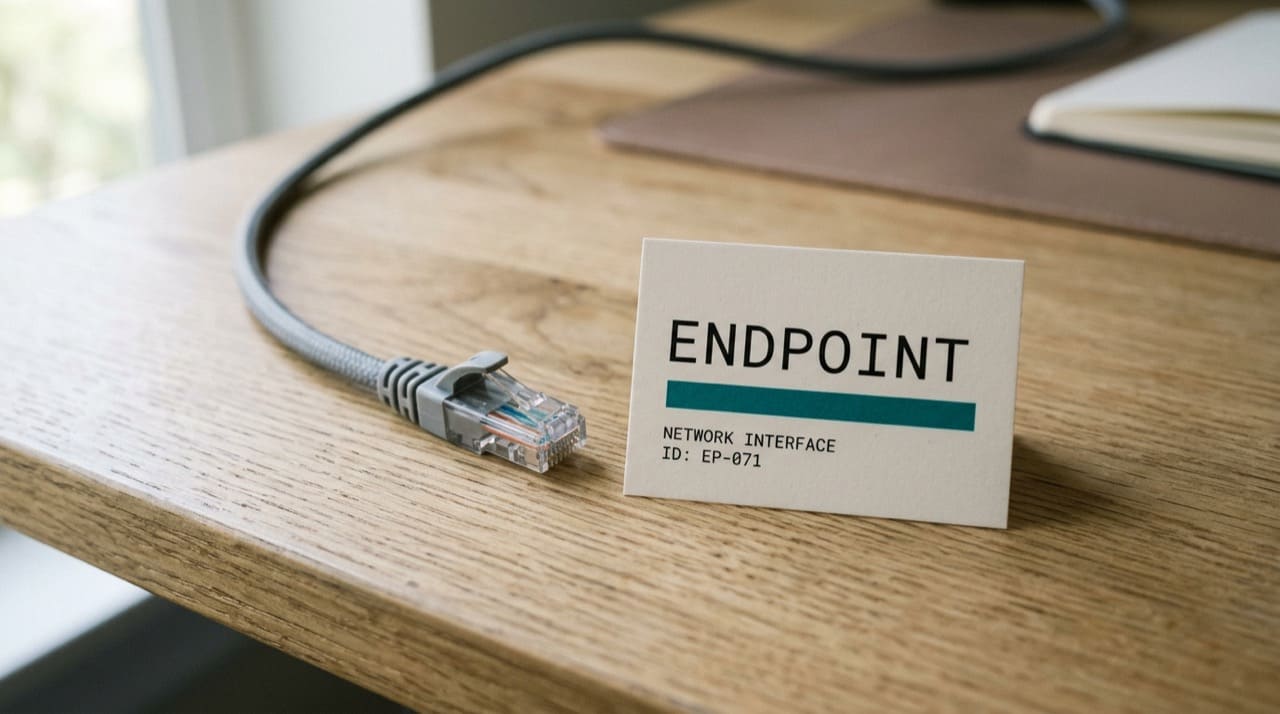
What is endpoint information on an NPI record?
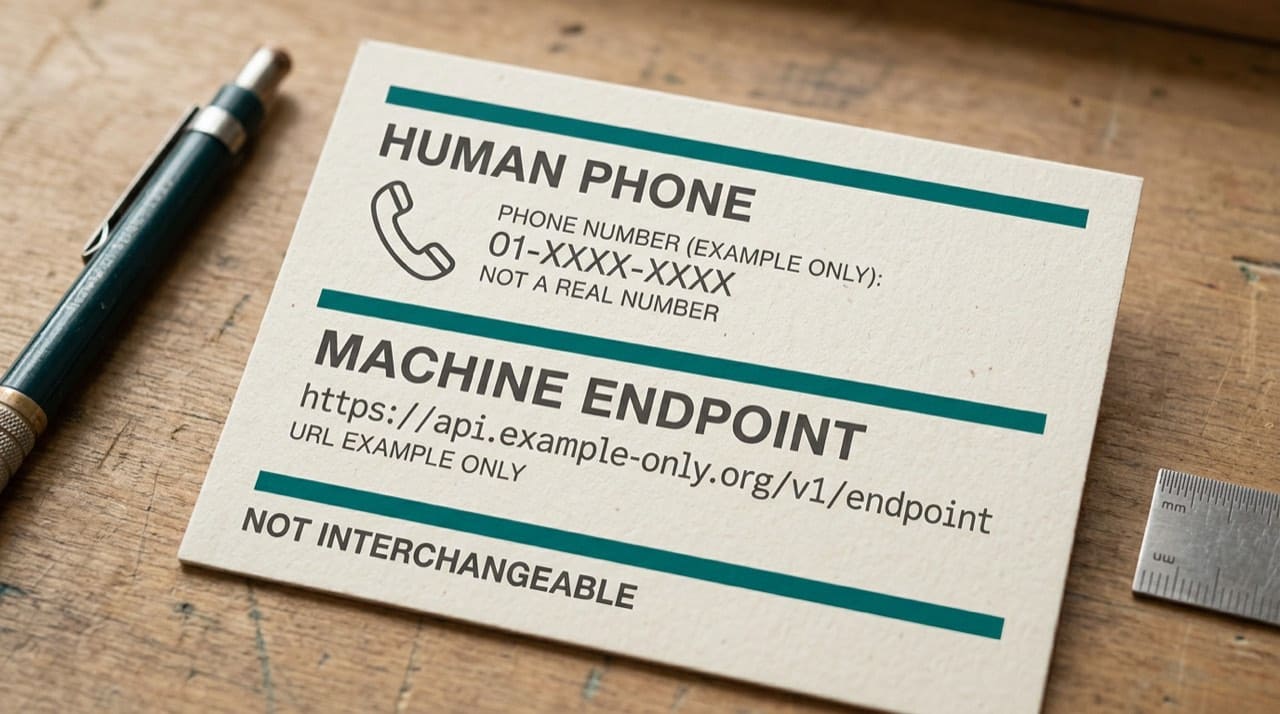
Endpoint rows are structured technical metadata so trading partners can route electronic administrative transactions to the right system (for example URLs, content types, and use codes). They are not a substitute for the front-desk phone and not the same as "practice location" on the public row.
Humans call; software uses endpoints when contracts and implementation guides say so. Confirm any live values on the NPPES NPI Registry search with a dated screenshot for go-live packets. Overview: CMS NPI overview. Bulk layout notes: Data Dissemination.
Who consumes endpoint data
Clearinghouses, payers, large provider organizations, and directory vendors ingest endpoints in pipelines. Small offices may ignore the panel until an interface engineer asks during a project. Both are normal.
Stale metadata fails quietly: queues grow, manual work returns. Name an owner for endpoint updates the same way you own address changes.
Accuracy and security boundaries
Seeing https on a public row does not waive your security program. Endpoint publication signals where a partner advertised a listener under agreed frameworks, not an invitation for unstructured experiments.
If a field looks different between a browser table and a downloaded file, compare parsers and nested structures before you file a bug.
What "no endpoint visible" does not prove
Absence of a row in a quick web view does not automatically mean a trading partner has no electronic path. Many workflows rely on clearinghouse directories, payer-specific onboarding workbooks, or configurations that are not mirrored field-for-field in whatever panel you opened. Verify with the implementation guide and the counterparty before you hard-code assumptions into a go-live plan.
Monitoring after go-live
Queues that spike after a firewall change often correlate with someone editing NPPES the same week DNS shifted. Keep dated exports so you can line up timelines instead of debating memory across teams.
When you hand off to a new vendor, revisit every endpoint that pointed at the old gateway. Rotations are when stale URLs quietly return.
Billing teams and endpoint jargon
Billers rarely need endpoint panels for day-to-day claim scrubbing. If your denial mentions connectivity, escalate with the exact NPI, the transaction type, and a CMS-dated screenshot so engineers do not chase the wrong row. For claim-slot basics tied to NPI roles, skim billing, claims, and NPI basics for billers before you mix human phone fixes with interface fixes.
Developers and bulk files
Product API behavior: API documentation. Full-file starting point: Downloads plus CMS file documentation.
When you normalize endpoint fields from monthly files, version your parsers when CMS publishes layout notes. Silent schema drift looks like "random" production failures until someone compares a fresh sample file to the parser you wrote three years ago.
Store raw extracts with a file date in the object key or filename. Debugging "which snapshot was in prod last Tuesday" from memory is how teams accidentally roll back the wrong environment.
Credentialing and endpoint questions
Credentialing analysts occasionally receive interface questionnaires that mention endpoints alongside addresses. If your role is primary-source verification, focus on whether the organization and NPI on the packet match NPPES; hand technical endpoint validation to the interface team with a dated CMS export attached. For a workflow-oriented view, see credentialing and NPI verification workflows.
Search before you debug deep
Confirm the correct enumerated entity first. For Type 1 versus Type 2 refresher, read Type 1 vs Type 2 NPI explained. Search habits: how to look up a provider's NPI.
How we fit in
NPIPublicData.org is independent. We do not operate NPPES. Contact us about our display; trust CMS for authoritative values. FAQ for quick site questions.
Practical next steps
Before cutover, export or screenshot from CMS with a visible date, capture legal entity name verbatim, and document which NPI types handle which traffic directions. After go-live, watch error queues weekly for the first month.
Ask new payer relationships whether they honor NPPES endpoint discovery for your transaction type or supply a separate onboarding workbook.
When you brief executives, translate endpoint outages into business terms: delayed cash, manual workarounds, and partner ticket volume. Technical metadata becomes a budget conversation when framed as operational risk.
Attach the enumeration type, NPI, and export date to every vendor ticket about endpoints. Without that trio, implementation teams guess which row you meant and burn cycles on the wrong environment.
If a junior analyst shadows an interface cutover, have them label one screenshot with their initials and the query time; future you will trust the artifact more than a folder of anonymous PNGs.